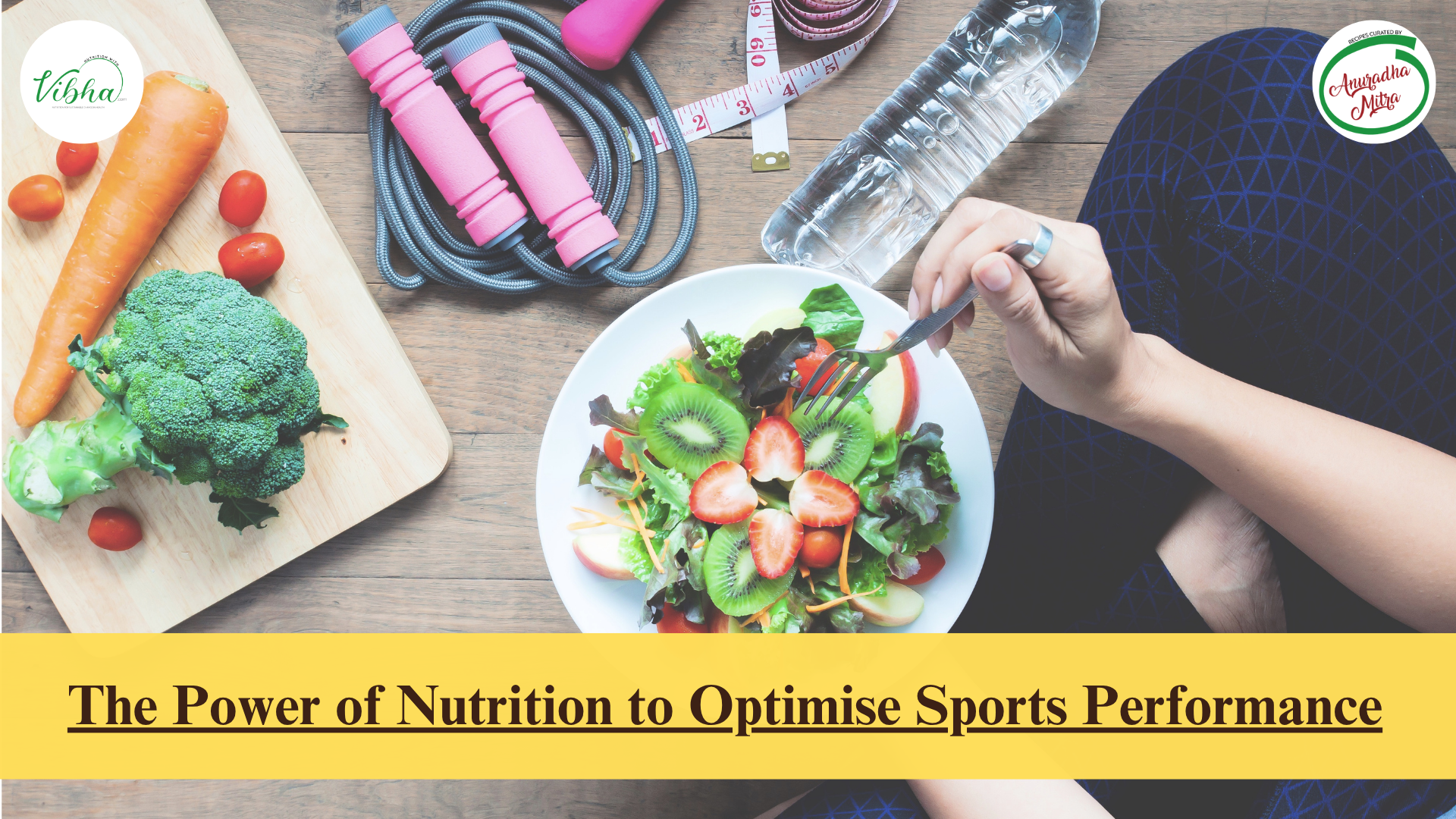
Nutrition for Dancers: Fueling Grace, Stamina, and Recovery

December 1, 2025

When people watch dancers glide across a stage, they see art but not the sweat, sore muscles, or endless practice. But every pirouette, jump, and graceful turn comes from hours of training that push the body just like any sport does.
Yes, dance is a sport. It demands endurance like running, flexibility like gymnastics, and focus like martial arts. And just like athletes, dancers need proper nutrition to perform, recover, and stay injury-free.
Your body is your instrument, and nutrition is the way you tune it.
Dance Is More Than Movement — It’s Metabolic Power
Dance looks effortless, but it’s physically intense. A single hour of practice can burn anywhere from 300 to 600 calories, depending on the style and intensity. Fast-paced choreography, jumps, and floor work all test your muscles’ endurance and energy systems.
Without enough fuel, fatigue sets in quickly. You might find your movements feeling heavier, your concentration slipping, or recovery taking longer. The secret to sustaining that grace and energy lies in one simple word: nourishment.
Building the Perfect Dancer’s Plate
Just like choreography balances rhythm and flow, your meals need balance too, between carbohydrates, proteins, fats, vitamins, and minerals.
1. Carbohydrates
Think of carbohydrates as your body’s main battery. During dance, your muscles rely heavily on stored glycogen, a form of carbohydrate stored in your muscles and liver. If you don’t refuel properly, your energy levels drop, and performance suffers.
Why dancers need them:
- Provide quick and sustained energy for training and rehearsals.
- Help delay fatigue and maintain concentration during long sessions.
- Support muscle recovery when paired with protein post-training.
What to eat:
- Complex carbs: brown rice, roti, poha, oats, sweet potatoes, millets, dal khichdi, whole wheat pasta.
- Quick carbs (pre-performance): banana, dates, honey toast, or an energy bar 30–60 minutes before practice.
- Post-training combo: banana + milk, or curd rice that helps replenish glycogen and speed up recovery.
Tip: Dancers often under-eat carbs, fearing weight gain, but your body needs them to perform well. Focus on quality, not just quantity.
2. Protein
Protein is your recovery partner. Every jump, squat, or lift causes tiny tears in muscle fibers. Repairing them makes you stronger and more toned, and that process depends on adequate protein intake throughout the day.
Why dancers need it:
- Repairs and builds muscle tissue after strenuous sessions.
- Reduces soreness and speeds up recovery.
- Helps maintain lean muscle mass and strength.
What to eat:
- Vegetarian options: paneer, curd, lentils, rajma, chana, sprouts, soya chunks, tofu, quinoa.
- Non-vegetarian options: eggs, chicken, fish.
- Snacks: roasted chana, peanut butter toast, milk smoothies, or Greek yogurt with fruits.
Tip: Aim to include protein in every meal, not just dinner. Even small additions like curd with lunch or nuts with fruit count.
3. Healthy Fats: The Silent Energy Source
Fats are often misunderstood, but for dancers, they are essential. They provide steady energy, support joint flexibility, and aid in the absorption of fat-soluble vitamins (A, D, E, K) that keep bones and muscles healthy.
Why dancers need them:
- Help cushion joints from repeated movement.
- Support hormone balance, important for strength, mood, and recovery.
- Keep skin, hair, and brain function healthy.
What to eat:
- Good sources: nuts (almonds, walnuts), seeds (flaxseed, chia, sunflower), avocado, coconut, olive oil, and ghee in moderation.
- Traditional Indian options like til laddoos, peanut chikki, or coconut barfi can also be smart snacks when portioned right.
Tip: Avoid skipping fats entirely, as it can lead to fatigue, dry skin, and hormonal imbalance. Choose natural fats over fried or processed foods.
4. Micronutrients
While macronutrients fuel your performance, micronutrients (vitamins and minerals) fine-tune it. They are essential for muscle contraction, oxygen delivery, and bone strength. These are things no dancer can compromise on.
Key nutrients for dancers:
- Calcium & Vitamin D: vital for bone strength and to prevent stress fractures.
Sources: milk, curd, ragi, sesame seeds, fortified foods, early-morning sunlight. - Iron: carries oxygen to working muscles. Low iron means early fatigue.
Sources: leafy greens, jaggery, beetroot, pulses, and iron-fortified cereals. Pair with vitamin C foods like oranges or lemon water for better absorption. - Magnesium & Potassium: help prevent cramps.
Sources: bananas, dry fruits, coconut water, spinach. - B vitamins: convert food into energy and maintain nervous system health.
Sources: whole grains, dairy, eggs, and legumes.
Tip: Dancers on restricted diets are at risk of deficiencies. Regular health checks and balanced meals can prevent fatigue and weakness.
Hydration: Don’t Let Dehydration Break Your Flow
Even mild dehydration can affect your balance, focus, and stamina, all crucial in dance. You lose fluids through sweat, especially during long rehearsals under bright stage lights or heavy costumes.
Hydration guide:
- Sip water before, during, and after class.
- For long sessions, try coconut water, lemon water, or buttermilk to replenish electrolytes.
- Avoid sugary drinks and excess caffeine before performances, as they dehydrate you faster.
Quick check: Your urine should be light yellow; darker shades mean you need more fluids.
Timing Your Meals: Fuel Smart, Not Just Hard
Before practice:
Go for light, easy-to-digest carbs- a banana, oats porridge, or toast with nut butter.
During long rehearsals:
Keep quick snacks handy- dates, raisins, or a small homemade energy bar.
After dancing:
Combine carbs and protein – think of paneer paratha with curd, dal rice, or a fruit smoothie with milk.
Tip: Recovery nutrition within 30–60 minutes after dancing helps muscles rebuild faster.
The Hidden Challenge: Low Energy Availability
Many dancers, especially those conscious of body image, tend to under-eat. This can cause low energy availability (LEA), where the body doesn’t have enough fuel left after training to support normal functions like hormone balance and immunity.
Signs of LEA:
- Constant tiredness
- Frequent injuries
- Menstrual irregularities in females
- Loss of focus or motivation
The goal isn’t to eat more or less, it’s to eat right for your energy needs. Think of food as performance fuel, not punishment.
Bridging the Gap — Where Art Meets Science
Many dancers train intensely but don’t have access to a sports nutritionist. Without proper guidance, they may miss key nutrients, compromise recovery, or risk injury.
Working with a qualified nutrition professional can help personalize meal plans, track progress, and support performance goals, keeping both artistry and athleticism in harmony.
Remember: Nutrition doesn’t just support your dance; it enhances it.
Final Takeaway: Nourish the Performer Within
Dance isn’t just an expression; it’s endurance, passion, and power.
To dance with grace, your body needs strength. To perform with emotion, your mind needs focus. And both begin with how you nourish yourself every single day.
Take control of your nutrition, listen to your body’s unique needs, and seek guidance from qualified nutrition professionals to fuel your training and recovery safely and effectively. For personalized advice, access to premium blogs, or to schedule a private session, visit nutritionwithvibha.com or email us at nutritionwithvibha@gmail.com. Make informed dietary decisions today and elevate every aspect of your dance journey.
Stay Empowered
Stay Nourished
Stay Blessed