
The Magic Mineral Selenium: Small, Subtle—and Surprisingly Powerful
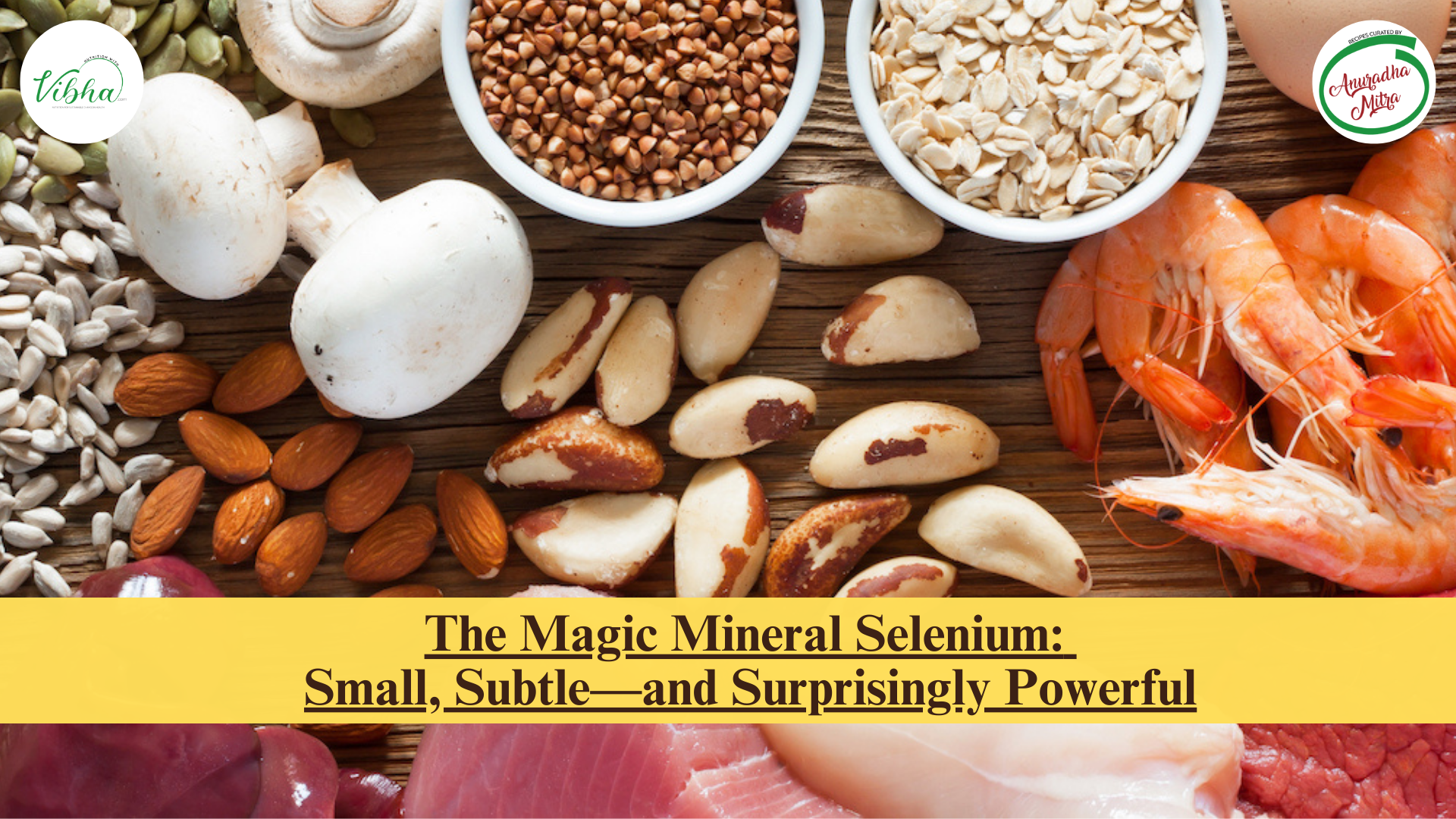
If we pause for a moment and really look at today’s health landscape, a quiet pattern begins to emerge. Many modern conditionswhether it’s a sluggish metabolism, thyroid imbalance, heart concerns, lowered immunity, or faster ageing—share two silent companions: chronic, low-grade inflammation and oxidative stress. They don’t shout. They whisper. But over time, they erode health. This is where antioxidant defence becomes not just helpful, but essential. And among the many nutrients that support this defence system, selenium holds a uniquely important place—quiet, understated, yet deeply influential. Why Selenium Truly Deserves Our Attention Selenium is a trace mineral, needed only in microgram amounts. Yet its impact on the body is far greater than its size suggests. Its true power lies in its role as a building block of selenoproteins, especially glutathione peroxidase—one of the body’s most potent antioxidant enzymes. Through this pathway, selenium helps neutralise free radicals, calm cellular inflammation, and protect tissues from oxidative damage. But its role doesn’t stop there. Selenium supports several core systems at once: When selenium intake falls short, the body doesn’t break down overnight. Instead, systems become slower, less efficient, and more vulnerable—often years before symptoms feel “serious.” Selenium and Vitamin E: A Powerful Partnership In nutrition, synergy matters—and selenium rarely works alone. Its antioxidant effect is significantly enhanced when paired with Vitamin E. While selenium-dependent enzymes handle free radicals inside cells, Vitamin E protects the fat-rich cell membranes from oxidative injury. Together, they create a wider, more resilient antioxidant shield. This is why diets that naturally combine selenium-rich foods with healthy fats—nuts, seeds, whole grains, and unrefined oils—work so beautifully at a biochemical level. Brazil Nuts: Nature’s Most Concentrated Selenium Source Any conversation about selenium inevitably brings us to Brazil nuts, also known as Para nuts. They are the richest natural source of selenium known: In practical terms, just one to two Brazil nuts a day can meet an adult’s selenium requirement. This concentration also teaches us an important lesson: selenium is powerful. And with power comes the need for restraint. Excess intake can easily become counterproductive. Selenium in the Indian Dietary Context While Brazil nuts are exceptional, good nutrition never relies on a single food. A thoughtfully planned, whole-food Indian diet can provide adequate selenium over time—naturally and sustainably. Indian dietary sources include: Minerals like selenium work cumulatively. What matters most is consistent inclusion across meals and weeks—not perfection on any single day. Why Meal Planning Matters More Than Food Lists Nutrition isn’t just about what we eat—it’s about how we build meals. Pairing whole grains with legumes, using traditional tempering with garlic, adding seeds to chutneys or salads, rotating grains, and choosing minimally processed foods all quietly enhance micronutrient intake. When meals are designed with intention, selenium adequacy becomes a natural outcome of good eating habits—not a nutrient to chase. Recognising Subtle Selenium Insufficiency True clinical selenium deficiency is rare, but functional insufficiency is increasingly common. It often shows up quietly, through signs such as: Because these symptoms overlap with other nutrient imbalances, isolated symptom treatment rarely works. A broader dietary assessment is far more effective. A Necessary Note of Caution: Hashimoto’s Thyroiditis While selenium can be supportive for thyroid health, excess selenium may worsen autoimmune thyroid conditions, particularly Hashimoto’s thyroiditis. In such cases, supplementation must be carefully individualised and clinically guided. With selenium, more is not better—precision is essential. Simple, Practical Ways to Support Selenium Intake Small culinary choices can make a meaningful difference: For individuals with restricted diets, malabsorption, or increased physiological demands, a well-designed multimineral supplement may be appropriate—but selenium supplementation should always be personalised and professionally supervised. Selenium beautifully illustrates a core truth of nutrition science: the smallest nutrients often exert the greatest influence. When dietary diversity, culinary wisdom, and scientific understanding come together, micronutrient sufficiency becomes both achievable and sustainable. For personalised, evidence-based nutrition guidance for health and disease management, write tonutritionwithvibha@gmail.com We offer personalised consultations for health and disease management. Stay Empowered.Stay Nourished.Stay Blessed. Author Nutrition with Vibha View all posts

Nutrition for Dancers: Fueling Grace, Stamina, and Recovery
When people watch dancers glide across a stage, they see art but not the sweat, sore muscles, or endless practice. But every pirouette, jump, and graceful turn comes from hours of training that push the body just like any sport does. Yes, dance is a sport. It demands endurance like running, flexibility like gymnastics, and focus like martial arts. And just like athletes, dancers need proper nutrition to perform, recover, and stay injury-free. Your body is your instrument, and nutrition is the way you tune it. Dance Is More Than Movement — It’s Metabolic Power Dance looks effortless, but it’s physically intense. A single hour of practice can burn anywhere from 300 to 600 calories, depending on the style and intensity. Fast-paced choreography, jumps, and floor work all test your muscles’ endurance and energy systems. Without enough fuel, fatigue sets in quickly. You might find your movements feeling heavier, your concentration slipping, or recovery taking longer. The secret to sustaining that grace and energy lies in one simple word: nourishment. Building the Perfect Dancer’s Plate Just like choreography balances rhythm and flow, your meals need balance too, between carbohydrates, proteins, fats, vitamins, and minerals. 1. Carbohydrates Think of carbohydrates as your body’s main battery. During dance, your muscles rely heavily on stored glycogen, a form of carbohydrate stored in your muscles and liver. If you don’t refuel properly, your energy levels drop, and performance suffers. Why dancers need them: What to eat: Tip: Dancers often under-eat carbs, fearing weight gain, but your body needs them to perform well. Focus on quality, not just quantity. 2. Protein Protein is your recovery partner. Every jump, squat, or lift causes tiny tears in muscle fibers. Repairing them makes you stronger and more toned, and that process depends on adequate protein intake throughout the day. Why dancers need it: What to eat: Tip: Aim to include protein in every meal, not just dinner. Even small additions like curd with lunch or nuts with fruit count. 3. Healthy Fats: The Silent Energy Source Fats are often misunderstood, but for dancers, they are essential. They provide steady energy, support joint flexibility, and aid in the absorption of fat-soluble vitamins (A, D, E, K) that keep bones and muscles healthy. Why dancers need them: What to eat: Tip: Avoid skipping fats entirely, as it can lead to fatigue, dry skin, and hormonal imbalance. Choose natural fats over fried or processed foods. 4. Micronutrients While macronutrients fuel your performance, micronutrients (vitamins and minerals) fine-tune it. They are essential for muscle contraction, oxygen delivery, and bone strength. These are things no dancer can compromise on. Key nutrients for dancers: Tip: Dancers on restricted diets are at risk of deficiencies. Regular health checks and balanced meals can prevent fatigue and weakness. Hydration: Don’t Let Dehydration Break Your Flow Even mild dehydration can affect your balance, focus, and stamina, all crucial in dance. You lose fluids through sweat, especially during long rehearsals under bright stage lights or heavy costumes. Hydration guide: Quick check: Your urine should be light yellow; darker shades mean you need more fluids. Timing Your Meals: Fuel Smart, Not Just Hard Before practice:Go for light, easy-to-digest carbs- a banana, oats porridge, or toast with nut butter. During long rehearsals:Keep quick snacks handy- dates, raisins, or a small homemade energy bar. After dancing:Combine carbs and protein – think of paneer paratha with curd, dal rice, or a fruit smoothie with milk. Tip: Recovery nutrition within 30–60 minutes after dancing helps muscles rebuild faster. The Hidden Challenge: Low Energy Availability Many dancers, especially those conscious of body image, tend to under-eat. This can cause low energy availability (LEA), where the body doesn’t have enough fuel left after training to support normal functions like hormone balance and immunity. Signs of LEA: The goal isn’t to eat more or less, it’s to eat right for your energy needs. Think of food as performance fuel, not punishment. Bridging the Gap — Where Art Meets Science Many dancers train intensely but don’t have access to a sports nutritionist. Without proper guidance, they may miss key nutrients, compromise recovery, or risk injury.Working with a qualified nutrition professional can help personalize meal plans, track progress, and support performance goals, keeping both artistry and athleticism in harmony. Remember: Nutrition doesn’t just support your dance; it enhances it. Final Takeaway: Nourish the Performer Within Dance isn’t just an expression; it’s endurance, passion, and power.To dance with grace, your body needs strength. To perform with emotion, your mind needs focus. And both begin with how you nourish yourself every single day. Take control of your nutrition, listen to your body’s unique needs, and seek guidance from qualified nutrition professionals to fuel your training and recovery safely and effectively. For personalized advice, access to premium blogs, or to schedule a private session, visit nutritionwithvibha.com or email us at nutritionwithvibha@gmail.com. Make informed dietary decisions today and elevate every aspect of your dance journey. Stay EmpoweredStay NourishedStay Blessed Author Nutrition with Vibha View all posts

Brain Fuel for Chess and eSports Players: Eat to Sharpen Focus and Make Smarter Moves
When you picture a top chess player or an elite eSports competitor, you probably think of strategy, quick reflexes, and countless hours of practice. But here’s something that often gets overlooked: your brain’s fuel. What you eat can directly affect how sharp you think, how fast you react, and how well you make decisions under pressure. Your brain is like a high-performance machine; it needs the right kind of energy to work efficiently. Skip on the fuel, or eat the wrong things, and even the most skilled player can slow down, lose focus, or make avoidable mistakes. Why Nutrition Matters? During a long chess tournament or a multi-hour eSports session, your brain is working non-stop. It’s constantly processing information, analysing situations, remembering patterns, and making quick decisions. This intense mental work uses a lot of energy, primarily glucose. If your brain doesn’t get the right nutrients, you will feel sluggish, your concentration will dip, and your decision-making may suffer. On the other hand, eating smart helps you stay alert, maintain focus for longer periods, and react faster when it matters most. Key Nutrients for a Sharp Brain : 1. Complex Carbohydrates Foods like oats, quinoa, brown rice, and whole-grain bread release energy slowly. This steady supply of fuel helps you maintain focus without sugar spikes or crashes that can slow your thinking. 2. Protein Protein isn’t just for muscles; it’s essential for the brain too. Amino acids from protein help produce neurotransmitters, the chemicals your brain uses to communicate. Eggs, dairy, lentils, tofu, and lean meat help keep your mind alert and ready for fast, accurate decisions. 3. Healthy Fats Your brain is made mostly of fat, and omega-3 fatty acids are particularly important. Found in fish, walnuts, flaxseeds, and chia seeds, these fats support memory, reaction time, and even reduce mental fatigue during long sessions. 4. Vitamins and Minerals B vitamins, magnesium, iron, zinc, and antioxidants like vitamin C and E help maintain concentration, energy, and overall brain health. Include plenty of fruits, vegetables, nuts, and seeds in your diet to cover these essentials. 5. Hydration Even mild dehydration can make you feel foggy, reduce focus, and slow reaction times. Keep water handy during long gaming or chess sessions to stay mentally sharp. Smart Meal and Snack Ideas : Timing is Crucial : The Mind-Gut Connection : A healthy gut supports a healthy brain. Fiber-rich foods like vegetables, fruits, and whole grains help your gut stay happy, which in turn can improve mood, reduce stress, and boost focus. The Takeaway Nutrition is more than just staying healthy; it’s a performance tool. Chess players analysing complex moves and eSports athletes making split-second decisions can gain a real edge by eating smart. Fuel your brain with balanced meals, hydrate well, and snack wisely. When every move counts, food can make the difference between winning and losing. Treat your brain like the high-performance machine it is and feed it like a champion. Take control of your nutrition, listen to your body’s unique needs, and seek guidance from qualified nutrition professionals to fuel your training and recovery safely and effectively. For personalized advice, access to premium blogs, or to schedule a private session, visit nutritionwithvibha.com or email us at nutritionwithvibha@gmail.com. Make informed dietary decisions today and elevate every aspect of your dance journey. Stay EmpoweredStay NourishedStay Blessed Author Nutrition with Vibha View all posts

Let’s Live…R Up – A Loving Reset for Your Liver!
Let’s begin with a thought — the liver doesn’t ask for much. It simply asks for balance, rhythm, and respect. It’s your body’s silent guardian, transforming food into energy, storing nutrients, balancing hormones, and detoxifying every drop of blood that flows through you. Yet, this organ often carries the burden of our modern lifestyle — irregular meals, caffeine overload, high stress, late nights, and sugar creeping in from every corner. But here’s the beautiful truth — the liver has an incredible ability to heal. If we nourish it wisely, rest it deeply, and live with intention, it can regenerate, renew, and radiate health. So today, let’s talk about how to truly Live…R — to live better for your liver. 1. Sleep – The Nighttime Detox : Your liver’s prime time is between 10 p.m. and 2 a.m., when it quietly performs its detox and repair duties. But it can only do this when you’re asleep. Simple practices: Aim to sleep by 10:30 PM to align with your body’s natural repair rhythm. Keep your bedroom dark, cool, and technology-free. Try a calming ritual — a cup of chamomile, tulsi, or lemon balm tea before bed. Supportive foods: Magnesium-rich foods like pumpkin seeds, spinach, and bananas help relax the body for restful sleep. 2. Movement & Yoga for a Stronger Liver : Movement is the language of vitality. It improves circulation, reduces fat accumulation in the liver, and balances blood sugar. Yoga adds a deeper layer of support by enhancing oxygenation and improving digestive flow. Poses to practice: Ardha Matsyendrasana (Seated Twist) – improves liver stimulation and digestion Bhujangasana (Cobra Pose) – strengthens and opens the abdominal area Dhanurasana (Bow Pose) – massages abdominal organs and enhances circulation Pair this with foods rich in antioxidants — beets, carrots, and green leafy vegetables — to assist in toxin breakdown. 3. Stress Reduction & Cortisol Balance : Chronic stress keeps cortisol levels high, forcing the liver to constantly metabolize stress hormones. Over time, this causes fatigue and inflammation. Try these rituals: Start mornings with gratitude journaling. Practice slow breathing and gentle meditation. End your day with calming music or sound healing to activate the vagus nerve — the body’s rest and digest switch. Liver-supportive foods: Vitamin C-rich fruits like amla, oranges, and kiwi help in cortisol regulation and adrenal balance. 4. Micronutrients, Phytochemicals & the Power of Plants: The liver thrives on plants — vibrant, diverse, and colorful foods rich in phytonutrients that repair and protect liver cells. Eat the rainbow daily: Greens (spinach, coriander, kale) for chlorophyll and detox Reds (beetroot, tomatoes, pomegranate) for antioxidants Oranges & yellows (turmeric, pumpkin, papaya) for anti-inflammatory support Purples (berries, black grapes) for cellular protection Include healthy fats: Use unprocessed MUFA-rich oils like cold-pressed olive, avocado, sesame, or mustard oil. They improve bile flow and help reduce liver fat accumulation. 5. Lower Inflammation, Raise Healing : A liver in inflammation is a liver in distress. Reduce inflammatory triggers and nourish it with cooling, cleansing foods. Include daily: Turmeric with black pepper Flaxseeds, chia seeds, and walnuts for omega-3 fats Garlic, ginger, and cinnamon to reduce inflammation Avoid: Processed foods, deep-fried snacks, refined flours, and excessive caffeine. Moderation, not deprivation, is the key — your liver loves consistency more than extremes. 6. Eat Early, Rest Easy : The liver follows the body’s circadian rhythm — it digests best when the sun is still up. Eating late forces it to keep working while it should be cleansing. Golden rule: Have dinner at least two to three hours before bed. This supports better metabolism, prevents fat accumulation, and allows the liver to rest at night. Ideal dinner: Light, plant-based meals — vegetable soups, a bowl of khichdi with ghee, or sautéed vegetables with tofu. 7. Protein & The Power of Balanced Nourishment : Your liver needs amino acids to build enzymes and repair tissue. Too little protein slows detoxification, while too much processed protein creates an excess load. Choose: Lentils, sprouts, tofu, paneer, eggs, fish (if non-vegetarian) Nuts and seeds for combined protein and healthy fats Avoid: Sugary protein bars, refined powders, and processed protein drinks. A balanced protein intake keeps blood sugar stable and supports efficient liver regeneration. 8. The Sugar Story – Choose Nature Over Refinement : Sugar is perhaps the liver’s most silent saboteur. Every teaspoon of refined sugar forces the liver to convert excess fructose into fat, leading to fatty liver and inflammation. Even so-called “healthy” sweeteners — jaggery, honey, agave, and syrups — can overburden the liver when consumed frequently. What to do instead: Avoid refined sugar, honey, artificial sweeteners, and syrups. Use whole fruits to sweeten dishes naturally. Create nourishing desserts combining fruit and protein — such as chia seed pudding with banana, Greek yogurt with berries, or blended mango with soaked nuts. This keeps sweetness real, fiber-rich, and kind to your liver. 9. Alcohol – The Liver’s Toughest Battle : Alcohol in any form challenges the liver’s capacity to detoxify. Even small amounts, taken regularly, interfere with fat metabolism and enzyme activity. The liver views alcohol as a toxin, prioritizing its removal above all else — often at the cost of other vital processes. Simple truth: The best way to support your liver is to avoid alcohol altogether. Let hydration, herbal teas, and fruit-infused water replace that glass of wine. Your energy, skin, and digestion will thank you. 10. Slow Living, Positivity & Vagus Nerve Connection : Your liver processes emotions as much as it does nutrients. Anger, frustration, and chaos are heavy energies for it to carry. Adopt the art of slow living: Take mindful pauses in your day. Step outdoors for sunlight and fresh air. Write instead of suppressing emotions. Practice gratitude and surround yourself with positive energy. Sound healing and vagus nerve stimulation: Humming, chanting “Om,” or listening to soft frequencies activate the vagus nerve, improving digestion, detoxification, and emotional balance. 11. Gut Health – The Liver’s Teammate A healthy gut prevents toxins from leaking into the bloodstream and
The Power of Nutrition to Optimise Sports Performance
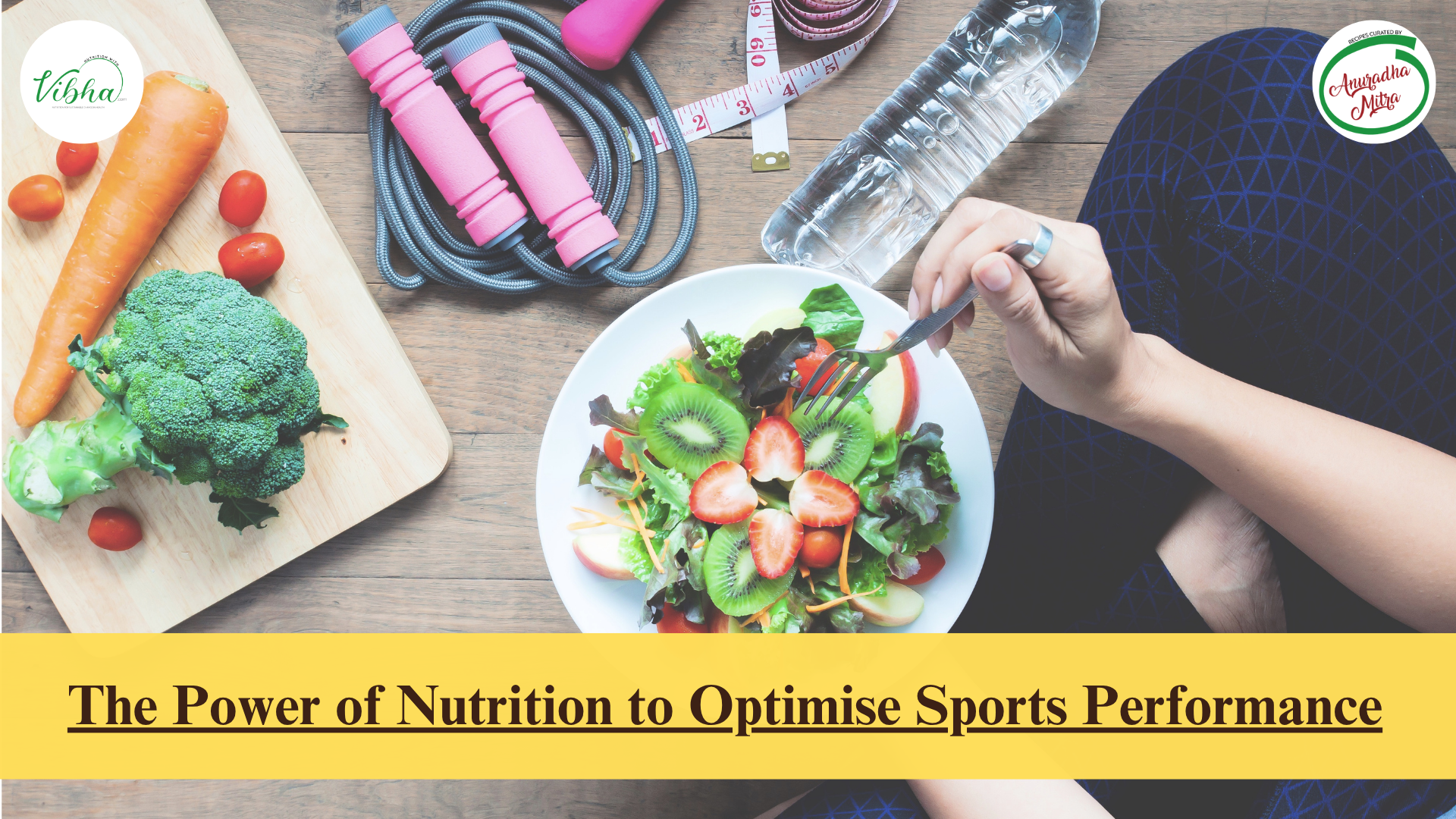
Athletic success rests on three pillars: genetics, effort, and nutrition. While talent and relentless training form the visible foundation of an athlete’s journey, nutrition is the silent enabler that determines how effectively the body can perform, adapt, and recover. Genetics may provide the blueprint, and effort builds the structure, but nutrition fuels, repairs, and sustains that structure. Without proper nutrition, even the most dedicated athletes may struggle to reach their full potential. Different Athletes, Different Needs: Personalised Diet Plans Matter Athletes are not a homogeneous group. Adolescents, endurance runners, power athletes, and team-sport players all have unique physiological requirements. Even within the same sport, training periods and competition phases demand tailored nutritional strategies. High-intensity training sessions, skill-based practice, and competitive games place different stresses on the body, which means nutrition must align with these specific demands. A personalized diet plan ensures that each athlete receives the right combination of energy, macronutrients, micronutrients, and hydration strategies for their sport, body composition, and training load. This personalization helps maximize performance, enhance recovery, and reduce injury risk. Aspects Of Sports Performance Success in sports depends on multiple facets of physical and mental fitness: Agility and Quick Reflexes: Crucial in football, cricket, boxing, and badminton, where second reactions can determine outcomes. Muscle Strength and Power: Essential for sprinters, weightlifters, and rugby players to generate explosive movements. Stamina and Cardiovascular Endurance: Core for endurance athletes like marathoners, triathletes, and cyclists. Coordination and Balance: Important in gymnastics, tennis, and martial arts. Flexibility and Mobility: Reduces injury risk and enhances performance in dynamic sports. Mental Focus and Recovery: Supports decision-making, concentration, and stress management during intense training or competitions. Athletes who excel often pair structured training with disciplined lifestyles, including consistent sleep, mental well-being practices, and mindful dietary habits. For instance, Virat Kohli highlights the importance of a disciplined lifestyle, nutrition, and recovery practices as key drivers of peak performance, showing how lifestyle choices amplify training effects. Nutrition: The Foundation Of Athletic Excellence Nutrition directly fuels performance, supports adaptation to training, aids recovery, and protects long-term health. It is not just about eating “healthy” but eating strategically according to personal needs, training intensity, and competition demands. Macronutrients Carbohydrates: The primary energy source for high-intensity and endurance sports. Proper intake ensures muscles and the nervous system function optimally, delays fatigue, and sustains performance. Timing carbohydrate intake according to training schedules is crucial, this is where a personalized diet plan makes a real difference. Proteins and Amino Acids: Essential for muscle repair, growth, and adaptation. Adequate protein supports recovery, prevents muscle breakdown, and enhances training effectiveness. Healthy Fats: Provide sustained energy, support hormone production, and aid absorption of fat-soluble vitamins. Fats are particularly crucial for endurance and overall metabolic health. Key Micronutrients Vitamins and minerals, though needed in smaller amounts, are vital for: Iron: Oxygen transport and stamina. Calcium & Vitamin D: Bone and muscular health. Antioxidants (Vitamins C & E, Selenium): Reduce exercise-induced oxidative stress. Magnesium, Zinc, B Vitamins: Support energy metabolism, nerve function, and muscle contraction. Micronutrients support performance, recovery, immunity, and long-term athlete health. Personalized diet plans ensure that athletes meet these micronutrient needs according to their individual physiology and training demands. Hydration Water is essential for temperature regulation, nutrient transport, joint lubrication, and muscle contraction. Even mild dehydration can impair performance, slow recovery, and increase injury risk. Hydration strategies should be individualized, based on body size, sweat rate, and intensity of training. Nutrition During Exercise Timing of nutrients is as important as the nutrients themselves: Pre-Exercise: Carbs provide energy, proteins are important for muscles, and fats sustain longer sessions. A personalized approach ensures the right composition for the specific sport and intensity. During Exercise: Carbs maintain energy. Hydration during activity is critical to maintain both physical and mental performance. Post-Exercise: Proteins repair muscles, carbs replenish glycogen, and fats aid recovery. Tailoring post-exercise nutrition ensures readiness for the next session. Supplements: Strategic Support, Not Replacement While a balanced, nutrient-rich diet should always be the foundation, supplements serve as a bridge to fill nutritional gaps. They complement foods, ensuring athletes meet energy, protein, and micronutrient requirements when diet alone may fall short. Certain supplements and functional foods can provide additional benefits when carefully selected: Sports-specific: Support the physiological demands of endurance, strength, or power sports. Dose-specific: Tailored to the athlete’s body weight, training intensity, and competition requirements. Time-specific: Consumed at strategic points before, during, or after training/competition to optimize performance and recovery. However, caution is critical. Supplements may contain substances banned in competitive sports, and improper use can risk an athlete’s career. All supplementation should be planned and monitored under the guidance of a qualified sports nutritionist, ensuring safety, ethical compliance, and effective results. A personalized supplement strategy, combined with an individualized diet plan, helps athletes maximize performance, recover efficiently, and minimize risks associated with doping. Bridging The Gap And Unlocking Potential Many athletes train intensively and prepare for competitions without access to a sports nutritionist. Without professional guidance, they may miss critical nutrients, recovery support, or optimal nutrient timing, which can hamper performance, slow recovery, and increase injury risk. Professional nutrition support ensures that each athlete receives the right nutrients at the right time, tailored to their sport, training load, body composition, and individual goals. By combining personalized diet plans, strategic hydration, and careful supplementation under expert supervision, athletes can maximize performance, recover efficiently, and safeguard their long-term health. Nutrition is the silent powerhouse behind every athlete’s success. Alongside genetics and dedicated effort, it determines energy availability, adaptation, recovery, and overall performance. Understanding macronutrients, amino acids, healthy fats, key micronutrients, hydration, timing, and supplementation allows athletes to unlock their full potential and perform at their best. Take control of your nutrition, listen to your body’s unique needs, and seek guidance from qualified sports nutrition professionals to fuel your training and recovery safely and effectively. For personalized advice, access to premium blogs, or to schedule a private session, visit nutritionwithvibha.com or email us at nutritionwithvibha@gmail.com. Make informed dietary decisions today and elevate every aspect of your

How to Read Food Labels: Nutrition Facts, Ingredients & Hidden Sugars
Do you read the product labels and ingredients list every time you purchase a packaged item from a grocery store? Ever pondered the meaning of the information? Do you not want to know each ingredient that this product contains? There are many reasons why people read food labels, but the cost of the item is the primary reason; however, it is more than that so let us walk through how to read nutrition labels. When consumers go shopping, food labels are the first source of information they come across. They provide information on the product’s ingredients, nutritional value, and the presence of allergens in the selected product. Information about ingredients on food labels helps consumers to better understand and make healthier food choices [1]. There is an important component known as the Nutrition Facts Panel (NFP), which precisely gives the amount of macro and micronutrients per 100g or one serving [2]. Food labels give us important information about what we are eating, but if we don’t understand them properly, they can also be deceptive and perplexing. Thus, let’s go out on a quest to decipher food labels and equip ourselves to make wise dietary decisions. Author Nutrition with Vibha View all posts